Lace Parchment Vol. 2: Vintage Texture for Modern Projects
Finding a design asset that bridges the gap between historical charm and contemporary utility can be a challenge. Many vintage-themed resources feel either too dated or overly stylized, limiting their versatility. The Lace Parchment Vol. 2 | Collection presents a compelling solution, offering a set of digital papers that are less about a single rigid style and more about evoking a specific, textured atmosphere. This collection isn't just another pack of backgrounds; it's a toolkit for adding depth, narrative, and a tactile sense of history to your work.
Deconstructing the Visual Character
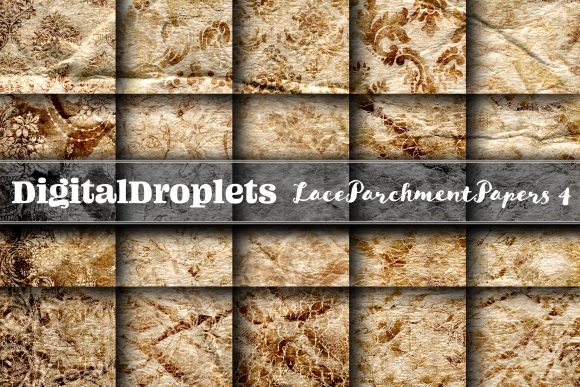
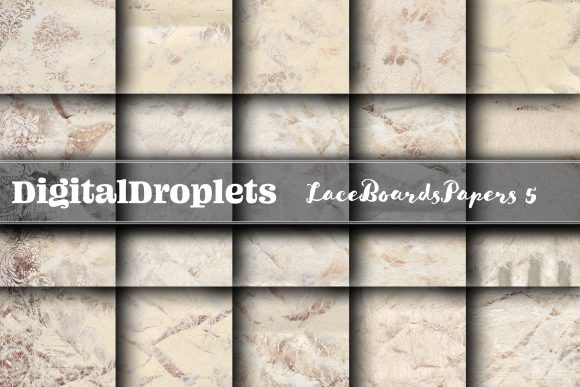
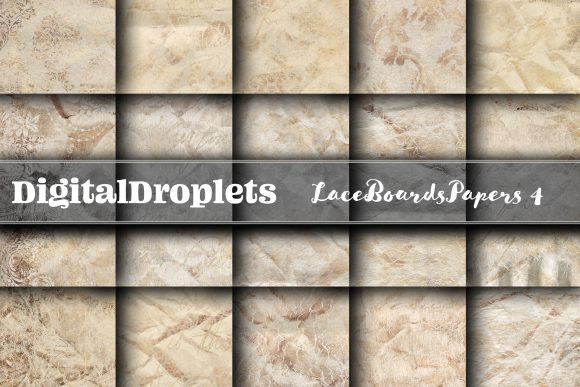
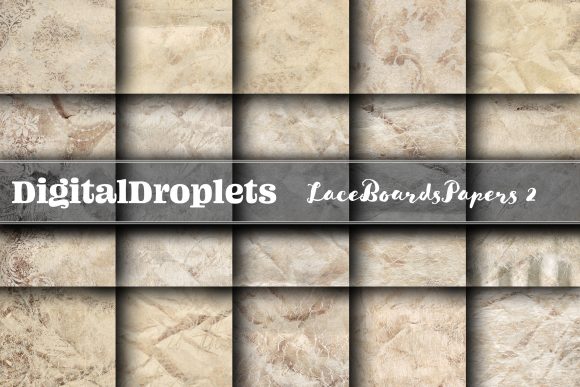
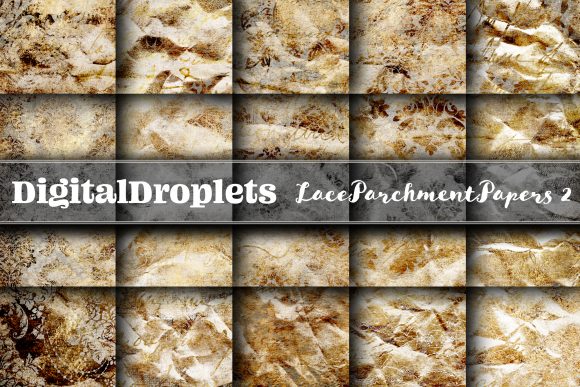
At its core, the Lace Parchment Vol. 2 | Collection is defined by its layered complexity. Each of the ten 12x12, 300dpi JPEG files starts with a crinkled, parchment-like base. This foundational texture is crucial—it prevents the designs from looking flat or digital. Overlaid on this are intricate lace and damask patterns, sometimes delicate and sometimes bold, interwoven with subtle script elements. The result is a series of backgrounds that feel authentically aged and artfully composed.
The personality of this set leans into the romantic and the nostalgic. It speaks to a sense of craftsmanship, of something handmade or carefully preserved. The color palettes are typically muted and earthy, enhancing the vintage feel without overwhelming primary design elements. This makes the Lace Parchment Vol. 2 | Collection particularly effective as a supporting actor in a design—it provides rich context without stealing the entire show. It’s a premium font equivalent for background textures, offering quality that elevates the final product.
Practical Applications Across Creative Fields
The true test of any design asset is its adaptability. Where does a resource like the Lace Parchment Vol. 2 | Collection genuinely excel? Its applications extend far beyond obvious scrapbooking, touching on both personal and commercial projects with surprising efficacy.
For the Crafter and Hobbyist
In the realm of physical crafting, these papers are a powerhouse. They are perfect for creating unique junk journal pages, adding an instant layer of authenticity to collages. They can be printed and used as the foundation for handmade birthday cards, gift tags, or even as a decorative liner for envelopes. The textures translate beautifully to print, making them ideal for custom planner stickers or washi tape strips. For those working on a scrapbook with a family history or travel theme, these backgrounds provide an immediate sense of time and place.
For the Digital Designer and Entrepreneur
In digital spaces, the collection serves a different but equally valuable purpose. Bloggers and content creators can use these textures as website backgrounds to establish a distinct mood, particularly for blogs focused on literature, history, DIY, or vintage fashion. They can become part of a cohesive brand identity for a small business with a handmade or artisanal ethos. Marketers can leverage them in social media graphics to create posts that feel more substantive and less generic than standard flat-color backgrounds. The high resolution also makes them suitable for photography backdrops in product shots, especially for items like jewelry, books, or artisanal goods.
Strategic Use in Professional Design
Professional designers can integrate these assets thoughtfully. In packaging design, a swatch of this texture could adorn a label or box, suggesting heritage and quality. For editorial design, it could be used as a subtle background for pull quotes or chapter dividers in a book or magazine layout. In web design, it might appear as a hero section background or as a textured sidebar. The key is restraint; using the Lace Parchment Vol. 2 | Collection as an accent rather than the dominant visual often yields the most sophisticated results, maintaining readability while adding visual interest.
Integrating Texture into Your Workflow
Adopting a new asset like this requires some practical consideration. How do you ensure it works harmoniously within your existing projects?
Evaluating Fit: Before committing, consider your project's core message. Does a sense of history, romance, or craftsmanship align with your goals? If you're designing for a cutting-edge tech startup, this might not be the right fit. For a vintage-inspired brand, a literary journal, or a historical society, it's a natural match.
Pairing with Typography: The ornate nature of these backgrounds demands careful font pairing. A clean, modern sans serif font can provide excellent contrast, ensuring legibility for body text. A complementary serif font can reinforce the classic feel for headings. Avoid overly decorative script fonts or handwritten fonts for large blocks of text, as they can become lost in the texture. The background should support the typography, not compete with it.
Considering Color and Composition: Pull accent colors from the paper textures themselves to create a cohesive palette for your entire design. Use the textures to frame key content, placing text or images in areas where the pattern is less dense to ensure clarity. Think of the Lace Parchment Vol. 2 | Collection as a foundational layer in your composition, not the entire canvas.
Making the Most of Your Asset Library
A resource like this is most valuable when you understand its place in your toolkit. It’s not a one-size-fits-all solution, but for the right project, it provides an irreplaceable quality. Its strength lies in its ability to convey a specific mood and add tangible depth that flat colors or digital gradients cannot.
When selecting design assets, always consider the licensing terms for your intended use, especially for commercial projects. The versatility of the Lace Parchment Vol. 2 | Collection makes it a sound investment for creators who frequently work with vintage, rustic, or historical themes. By using it strategically—as a background for wall art, a texture in logo design for a niche brand, or a layer in home decor mockups—you can unlock its full potential and give your projects a distinct, textured voice.