Wild Flowers Papers Vol. 2 | Collection: A Designer's Guide
Unpacking the Aesthetic: More Than Just a Background
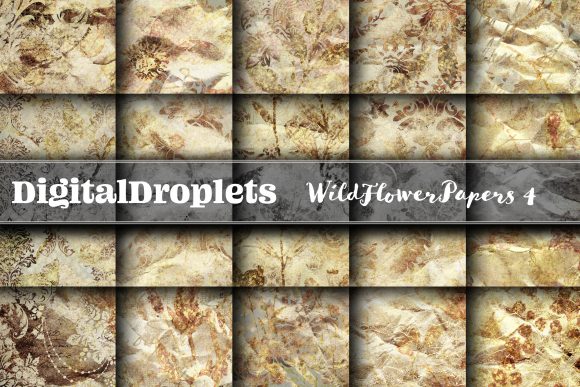
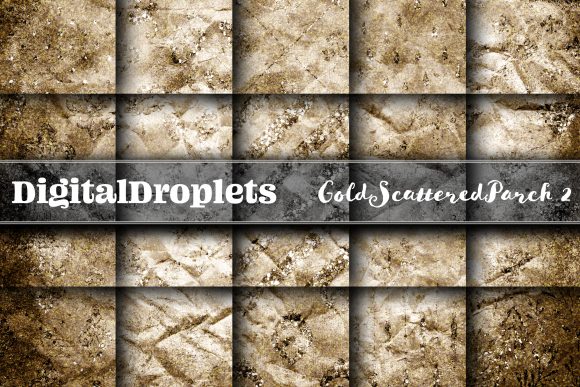
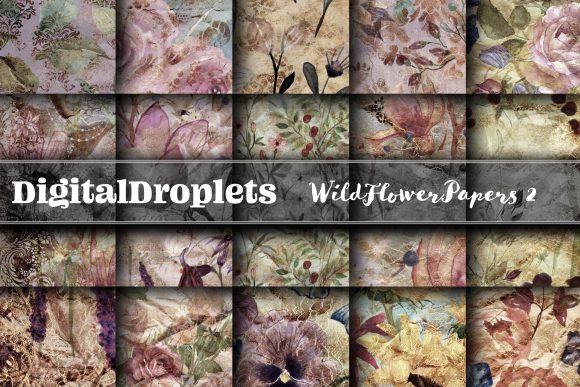
When you first open the Wild Flowers Papers Vol. 2 | Collection, you’re not just getting a set of digital files; you’re receiving a toolkit for building atmosphere. This isn't your standard, flat digital paper pack. The defining characteristic here is the crinkle texture. It immediately injects a tactile, almost handmade quality into any project. This physicality is crucial for designers working on projects that need to feel authentic and grounded, moving away from sterile, perfect digital surfaces.
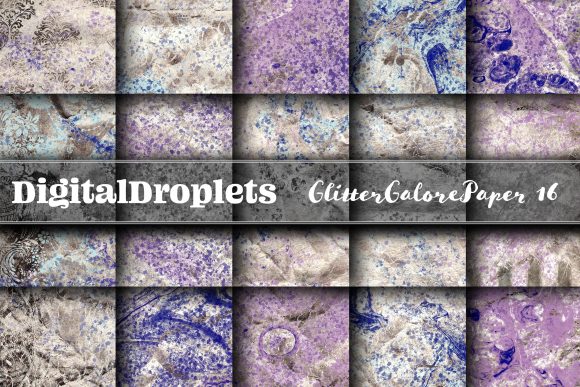
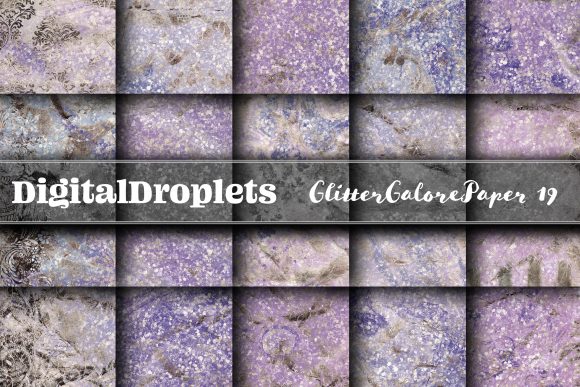
Layered over this textured base are the scattered glitter and the delicate feather and flower patterns. This combination creates a fascinating visual tension. The glitter provides a touch of glamour and sparkle, perfect for catching the eye, while the organic, often muted floral and feather motifs keep the overall feel grounded in nature and vintage aesthetics. It’s a sophisticated balance that avoids feeling overly saccharine or childish. The subtle damask patterns woven throughout add a layer of classical elegance, connecting the wildflower motifs to historical design traditions. This blend of rustic texture, natural elements, and ornate detail gives the collection a distinct personality that leans into gothic, vintage, and even slightly melancholic or romantic themes.
Practical Applications for the Modern Creative
Understanding the style is one thing, but knowing where to deploy these assets is where the real value lies for professionals. The Wild Flowers Papers Vol. 2 | Collection excels as a foundational design asset for projects requiring depth and character. Think beyond simple scrapbook pages. These papers are exceptional for creating rich backgrounds in editorial design, especially for magazine features on topics like botanical illustration, historical fiction, or artisan crafts.
For brand identity work, particularly for small businesses in the handmade, boutique, or artisanal space, these papers can form the core of a visual system. Use them as textured backgrounds for logo design presentations, as the basis for packaging design mockups, or to create consistent social media graphics. The 12x12, 300dpi specification makes them versatile for both digital and high-quality print applications, from blog design headers to physical invitations, cards, and gift wrap. They work beautifully for junk journals and collages, providing instant, complex layers that save hours of manual texturing.
Consider using them for washi tape strips, tags, and envelopes in stationery sets. The patterns are detailed enough to be intriguing at a small scale but cohesive enough to work in larger compositions. For planner stickers or home decor prints, the vintage flair offers a distinct alternative to more modern, minimalist designs.
Working With the Collection: Tips for Integration
The true strength of the Wild Flowers Papers Vol. 2 | Collection lies in its ability to set a mood. When selecting it for a project, first consider the narrative you want to tell. Is it a story of forgotten gardens, elegant decay, or rustic charm? This will guide your choices for complementary typefaces and color palettes.
Font pairing is critical here. The busy, textured nature of these backgrounds demands a typeface with clarity. A clean, modern sans serif font for body text can provide a striking contemporary contrast, making the vintage background feel intentional and fresh. For headlines, a sophisticated serif font or an elegant script font can lean into the classic feel, but ensure it has good weight and spacing to remain legible against the intricate patterns. Avoid overly ornate or thin handwritten fonts that might get lost in the texture.
When building a layout, use these papers as your foundational layer. Add your text and imagery on top, perhaps using simple shapes or solid color blocks to create visual hierarchy and ensure readability. The glitter and floral elements can be used as design accents themselves—consider isolating a section for a unique corner detail or using the texture to fill custom shapes in your web design or photography backdrops.